


Vaginoplasty Recovery Care
Pelvic floor therapy before and after your vaginoplasty surgery.
Our pelvic floor therapists have experience helping patients before and after vaginoplasty.
Once you’ve decided to have a vaginoplasty surgery, you’ll have questions about what to expect after surgery. We’ve got you covered. Our pelvic PTs will spend time teaching you techniques for post-surgery care, strategies for dilation, and precautions for after your procedure.
When you come back after surgery, we’ll make sure everything is healing well and ensure dilation is successful. Your visits could include an internal pelvic exam, but it isn’t required. Every session is tailored to your comfort.
Keep reading to get all your questions answered.
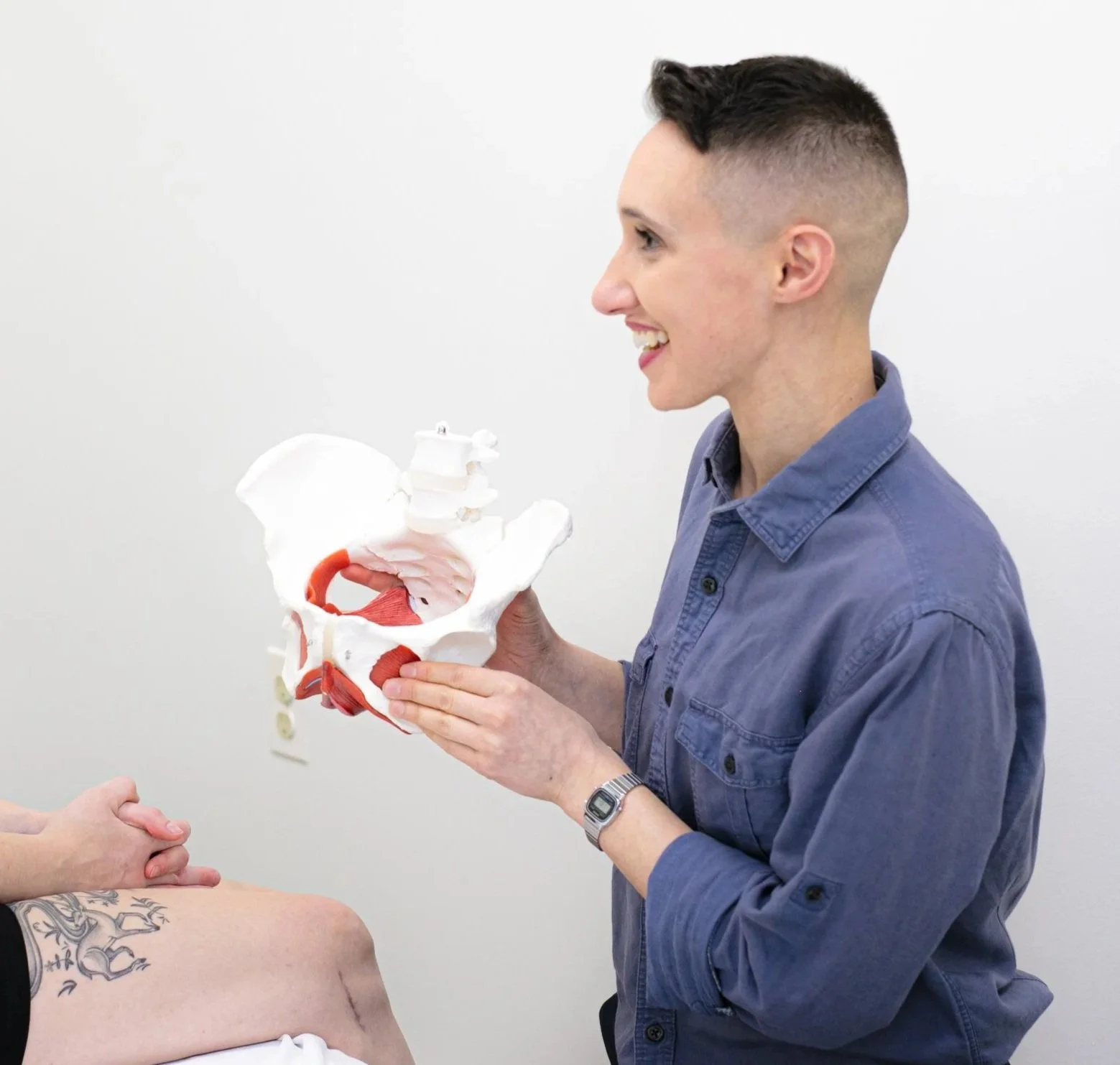
When should I come in for pelvic PT?
Schedule a pre-operative visit when your surgeon asks you to. If you have any current pelvic floor conditions such as bladder or bowel dysfunction, pelvic pain, or hip or back pain, schedule 3-4 months before surgery. If you are only coming for a routine pre-op appointment, we recommend scheduling 1-2 months before surgery.
A referral is helpful but it’s not needed, unless your insurance requires it.
Schedule your first post-operative visit as recommended by your surgeon, usually about 4 weeks after surgery. Most patients have visits once per week.
What is the purpose of attending PT before my surgery?
Post-operative recovery can be complex - your surgeon might give you a lengthy protocol document with specific requirements for dilation. We’ll teach you what to do during your pre-surgery visit so you’ll go into surgery prepared. You’ll learn:
Pelvic floor relaxation techniques
Hip stretches to improve success with dilation after surgery
What supplies you’ll need
The right techniques for immediately after surgery
Strength exercises to prevent deconditioning during recovery
Some surgeons require a pre-operative PT visit before you are allowed to schedule your surgery.
What will my pre-operative visit be like?
Your therapist will start by discussing what's important to you and any particular concerns you might have. A physical assessment could include a basic movement/fitness assessment, hip range of motion and strength measurements, and a pelvic floor assessment. All physical assessment is optional and tailored to what feels helpful to you and comfortable for you. Options for pelvic floor examination include a digital intrarectal exam, visualization under clothing, external palpation over light clothing, biofeedback over clothing, or no pelvic floor assessment.
What will my post-operative visit be like?
The goal of physical therapy after surgery is to support you in healing as safely and successfully as possible. We will provide support for dilating to improve results of surgery, support scar healing for skin comfort and cosmetic appearance, provide guidance for returning to daily tasks and exercise, and address any pelvic floor complications that may arise after surgery.
Physical assessment could include observation of your walking and sitting, assessment of the surgical site, pelvic floor assessment, and observation of dilator use and positioning. All physical assessment is optional and tailored to what feels helpful to you and comfortable for you. Options for pelvic floor assessment include visualization and/or palpation of the surgical site, digital intravaginal exam if appropriate, external palpation over light clothing, or no pelvic floor assessment.
What to bring to your first post-operative visit:
- A copy of your surgeon's postop protocol
- The dilator(s) you are currently using
- A donut pillow for sitting, if you are currently using one
Not your average physical therapy.

At Alliance Physical Therapy, specialized post-op vaginoplasty care is provided by Dr. Alissa Klein, PT, DPT (they/she), a queer- and trans-affirming pelvic floor physical therapist who offers trauma-informed, consent-driven care tailored to your surgeon’s recommendations and focused on your recovery, comfort, concerns, and individual goals.