


Pelvic Floor Physical Therapy
Your comfort comes first.
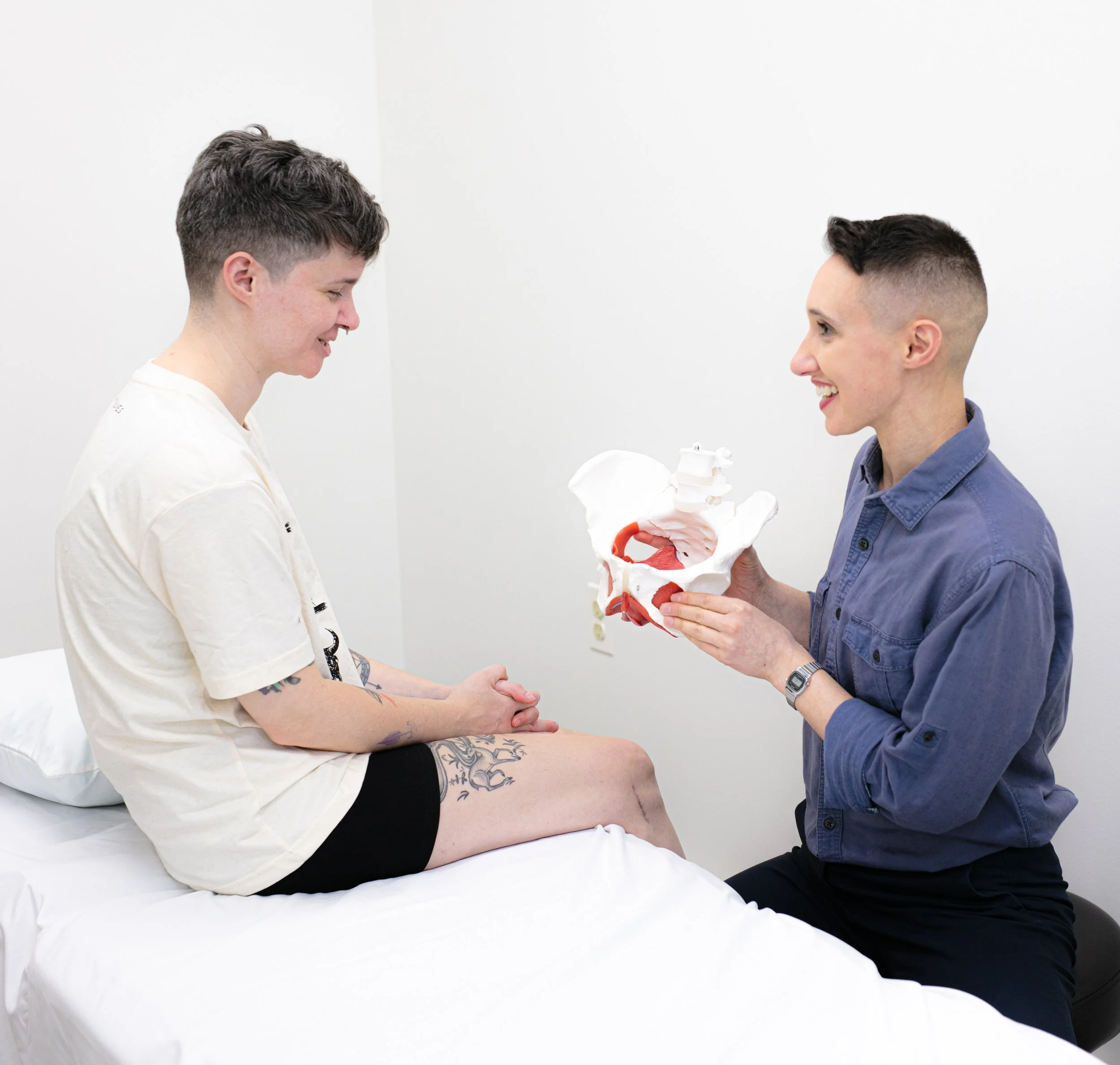
If you need pelvic floor therapy, our trained pelvic PTs can help. Patient often come in because of pain, urinary or bowel concerns, sexual or reproductive health concerns, or after surgery. We offer pelvic PT to people all genders, for all types of bodies.
We understand that discussing pelvic health can sometimes feel uncomfortable. We're here to help you find the right words to express your symptoms clearly, talk openly about any challenges you may be experiencing, and work with you to develop a personalized plan to improve your comfort and quality of life. Our experienced providers address these concerns every day with compassion and professionalism.
Your health and well-being are our top priorities. Give us a call with your questions about how pelvic floor therapy might work for you.
Pelvic Floor Treatment

If you have leaking with coughing, sneezing, lifting, running, jumping, or laughing, we can help. Maybe you just can’t get to the bathroom in time. These symptoms are common and often improve with pelvic PT.
Bowel & Bladder
Diagnosis May Include:
Urinary urgency and frequency
Overactive bladder
Urinary incontinence
Constipation
Fecal incontinence
Pain with urination or defecation
Pelvic organ prolapse
Hemorrhoids
Dyssynergistic defecation
Interstitial cystitis (painful bladder syndrome)
IBS
Pelvic PT can help with chronic pelvic pain, tailbone pain, or pain during sex.
Pelvic Pain
Pudendal neuralgia
Endometriosis
Menopause symptoms
Painful periods
Dyspareunia
Coccydynia
Diagnosis May Include:

Many people have pelvic symptoms during or after pregnancy. Whether you’re preparing for labor and delivery or you need help with postpartum recovery, we have you covered.
Perinatal/Postpartum
Diagnosis May Include:
Diastasis Recti
SI Joint Pain
Pubic Symphysis Pain
Pelvic pain, incontinence or constipation
Muscular pain in parenthood

Patients planning for vaginoplasty may be asked by their surgeon to have a preoperative visit with a pelvic physical therapist. We’ll make sure the session centers around your needs and goals and gives you space to talk about what matters most to you.
Gender Affirming Pelvic PT
Diagnosis May Include:
Before or After Vaginoplasty
Pain from binding and tucking
After hysterectomy
Treatment Approaches
-
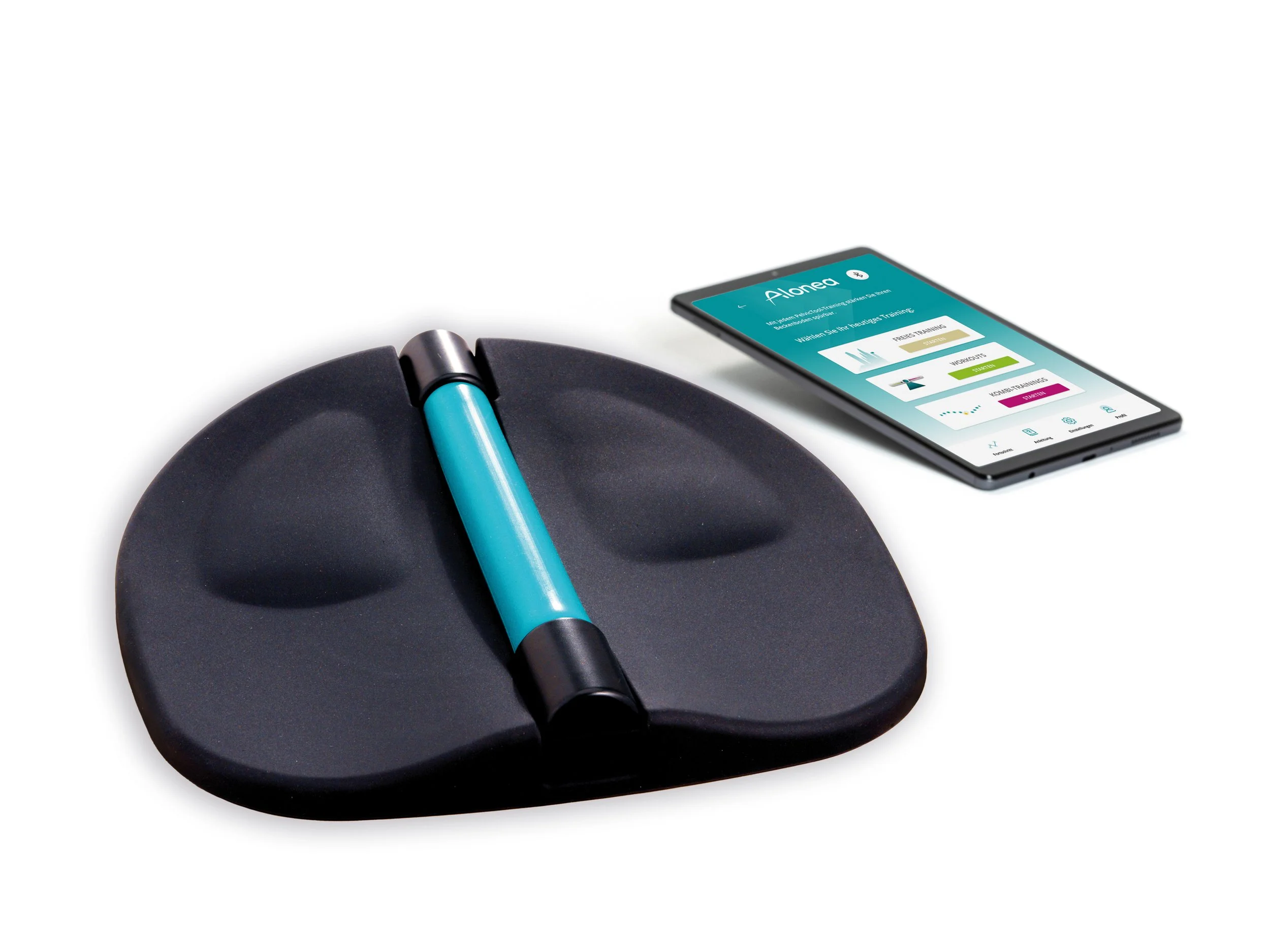
Biofeedback
Non-invasive pelvic floor biofeedback with the Alonea PelvicTool. Real-time feedback through seated pressure sensors. No internal sensors needed.
-
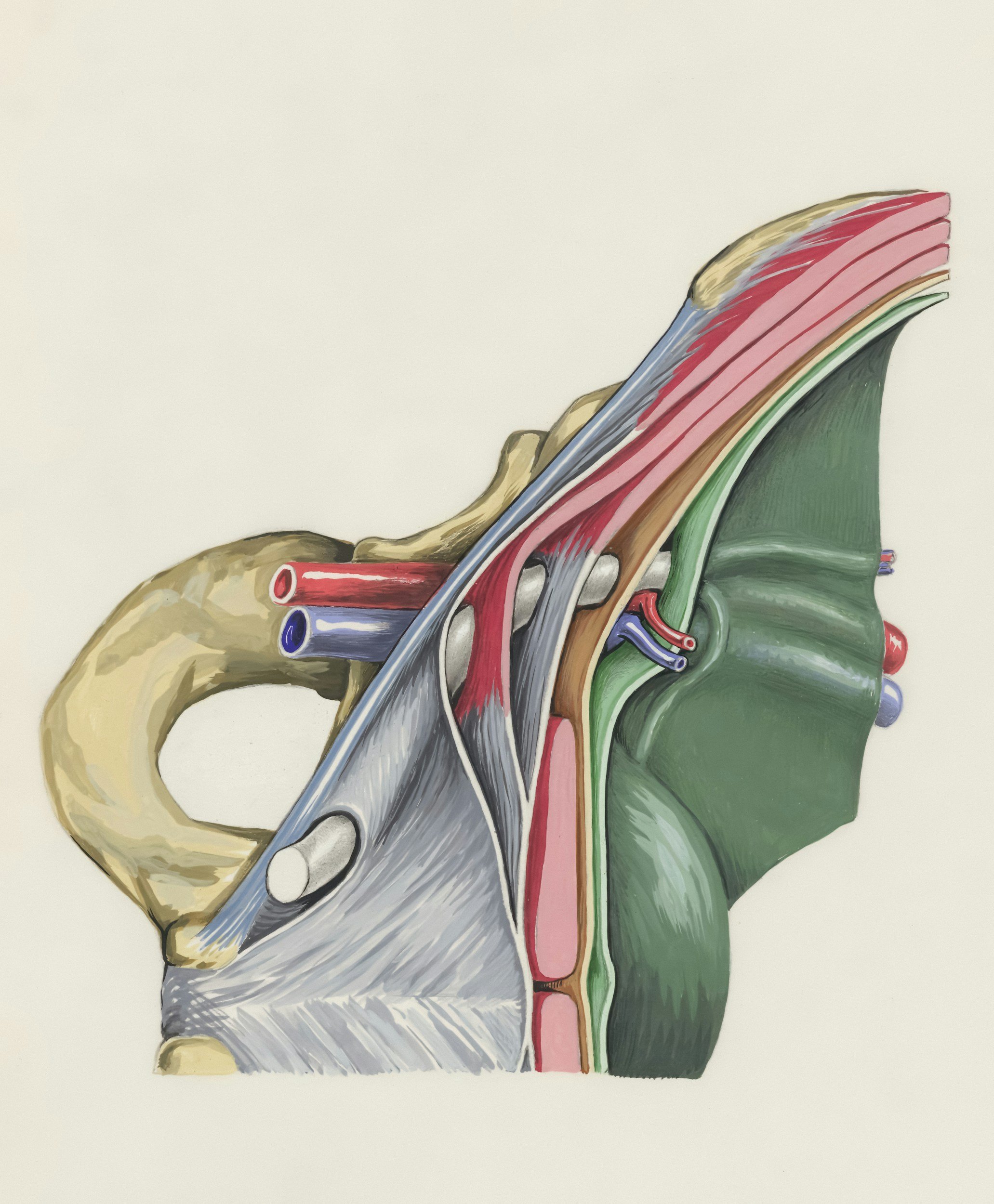
Myofascial release
You physical therapist may perform hands-on techniques internally or externally to decrease tightness and improve blood flow and muscle function.
-

Strength Training
Pelvic floor strength goes beyond Kegels! Your physical therapist will make sure you are strong enough to do the activities you love without pain or leaking.
-
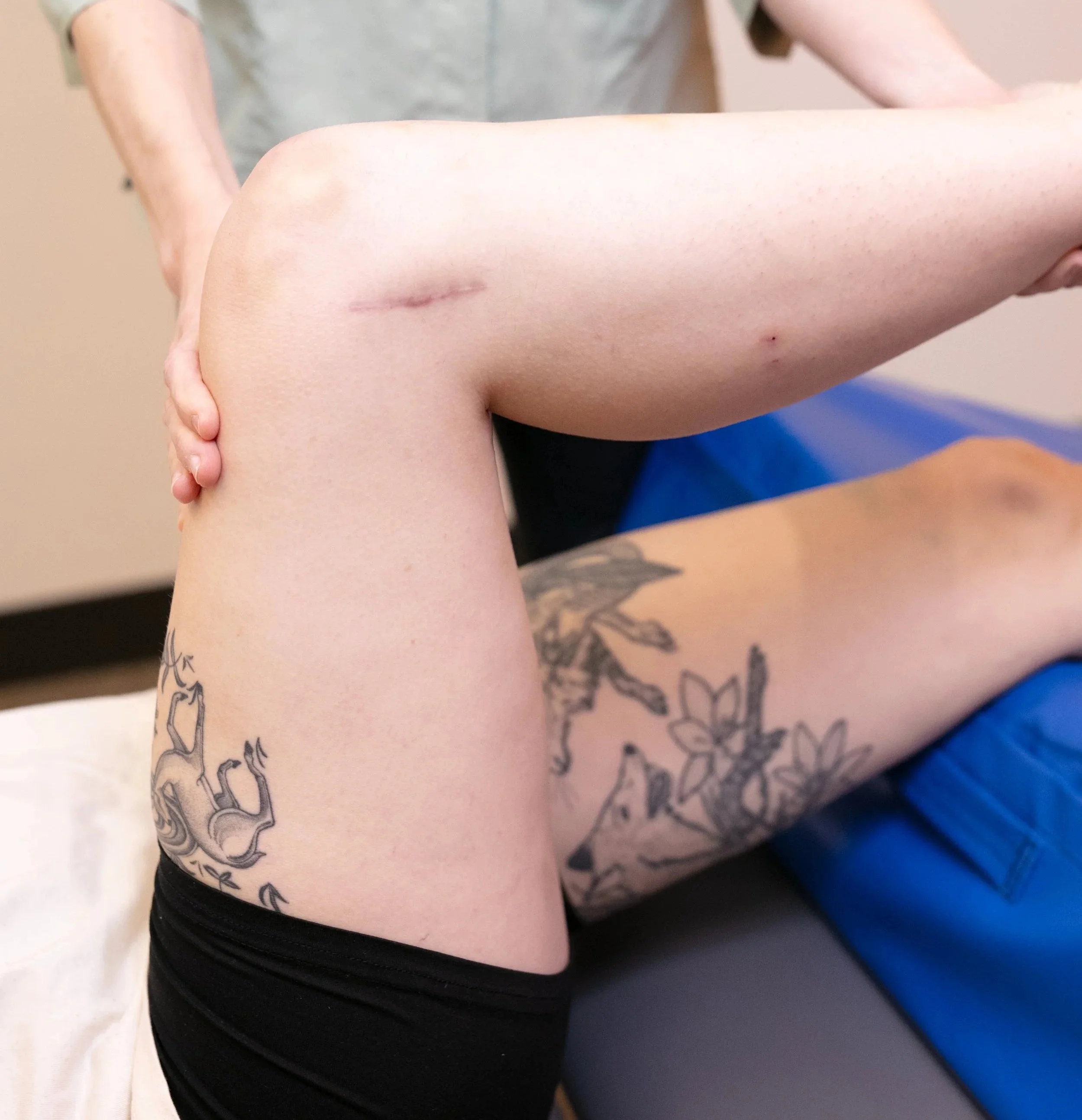
Flexibility Training
Internal or external stretching can help restore balance in your pelvic floor and hips. Your therapist can check for tightness and teach you stretching strategies that are right for you.

Pelvic PT After Gender Affirming Surgery
Every part of your evaluation and treatment affirms your gender identity, from when we get your pronouns right at the front desk to how we talk about your physical therapy care. We hope you’ll feel right at home.
Our pre/post vaginoplasty program will help you prepare for surgery and understand what to expect, as well as be there with you during your recovery journey. Give us a call if you have questions about your specific surgery schedule, protocol, or concerns.
FAQs
What is an internal exam in pelvic PT?
An internal exam includes the therapist placing one gloved and lubricated finger inside either anterior or posterior canal (into the rectum or the vagina) to assess the pelvic floor muscles internally. An internal exam is performed only if that is helpful for you to meet your goals and aligns with your comfort. Pelvic floor PT assessment and treatment can also be fully external, whether the patient is dressed or undressed.
Who can come to pelvic PT?
Our therapists have experience treating patients of all gender identities. Pelvic floor PT is for anyone with pelvic concerns or symptoms.